





Description
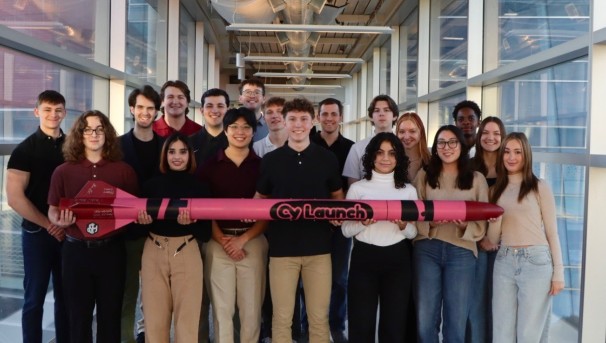
Cy Launch is Iowa State University’s team competing in the NASA University Student Launch Initiative (USLI), a national competition that challenges student teams to design, manufacture, test, and fly a high-powered rocket and scientific payload. The program provides hands-on experience in aerospace engineering, electrical integration, manufacturing, systems design, and mission operations.
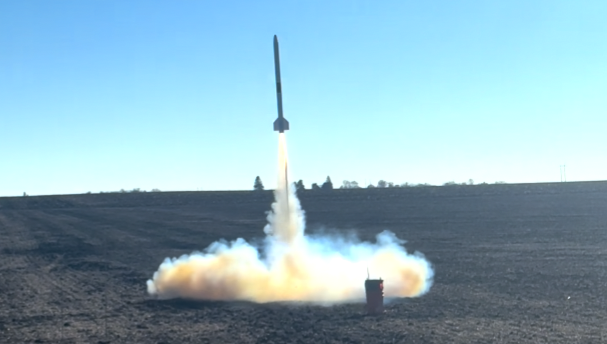
Our 21-member multidisciplinary team is designing and building a fully 3D-printed high-powered rocket that will fly to 4,714 feet and deploy an autonomous payload upon landing. This year’s NASA challenge requires us to collect and analyze a soil sample after landing. Our payload will autonomously collect soil samples and measure their electrical conductivity using onboard electronics and custom software developed by our team.
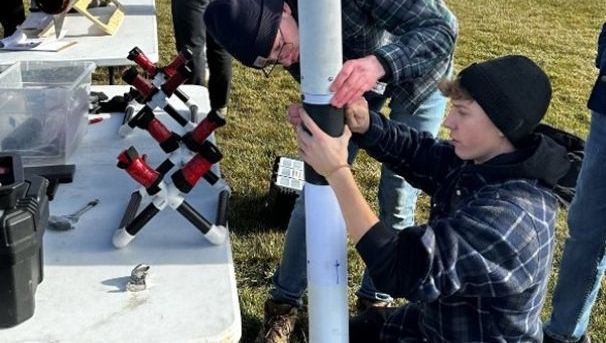
Cy Launch is pushing innovation further by manufacturing nearly all rocket structures using additive manufacturing. We conduct material testing, structural validation, and full-scale launch testing to ensure compliance with NASA, FAA, NAR, and TRA safety standards. This project provides students with real-world aerospace experience beyond the classroom and prepares them for careers in industry, research, and national defense.
Your support helps fund critical launch hardware, propulsion components, recovery systems, electronics, manufacturing materials, and travel to test launches and the national competition in Huntsville, Alabama. Every donation directly supports student engineers gaining hands-on experience in advanced aerospace design and testing.
Thank you for supporting Cy Launch and helping Iowa State students turn engineering theory into flight-ready hardware.
$25
Systems Check
Could help cover recovery system materials such as shock cord or parachute hardware
$50
Payload Supoort
Could help fund electronics components, sensors, or microcontrollers for the autonomous payload
$100
Ground Testing
Could help cover materials for structural testing, static fire validation, and sub-scale launches
$500
Mission Operations
Could help with travel costs for test launches and the NASA competition in Huntsville, Alabama
$1,000
Launch Partner
Could significantly support major propulsion components, avionics systems, and mission-critical hardware
